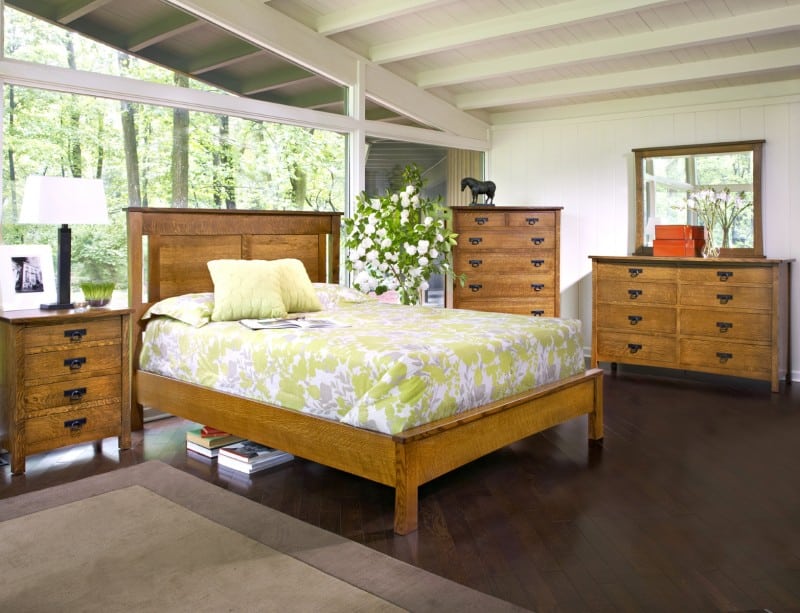
For decades, a cardinal rule of interior design was that everything in a room had to match perfectly. Buying complete matching sets was the go-to way to furnish a home.
But today, the most beautiful and inviting bedrooms feel curated over time.
Ditching strict uniformity for mixed wood tones creates a more custom, lived-in space that reflects your unique personality.
Mixing wood species and finishes doesn’t have to be intimidating. By focusing on undertones, contrast, and balance, anyone can create a stunning designer look.
How to Mix Furniture Styles in the Bedroom
You might be wondering exactly how to mix furniture styles in the bedroom without making the space look chaotic.
The secret lies in finding a unifying element.
When combining different aesthetics, like blending a rustic, heavy wood bed frame with mid-century modern dressers, you need a common thread to tie them together.
This could be a cohesive color palette or shared wood undertones.
When you thoughtfully plan out arranging your bedroom, you can position these different styles so that each can shine while still contributing to a unified style.
Step 1: Choose a Dominant Wood Tone
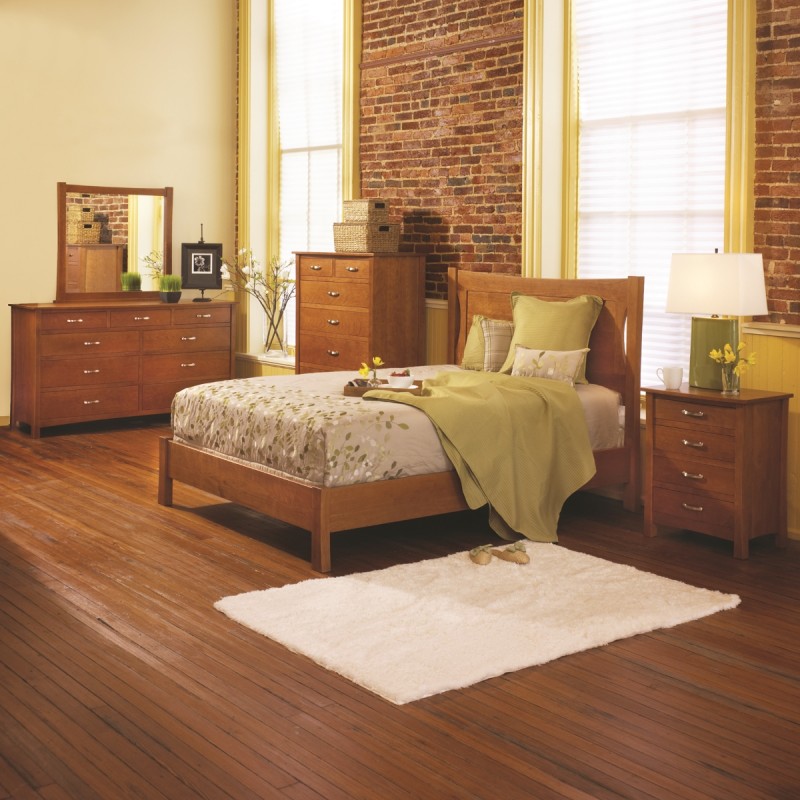
The first step to a successful mix is anchoring the room with a primary wood tone. This usually comes from the largest piece in the room, such as the bed frame or a large armoire, which naturally acts as the focal point.
Designers often use the 80/20 rule to achieve balance: let your dominant wood tone make up about 80% of the wood in the room, and use contrasting accent tones for the remaining 20%.
This gives you the grounded feeling of a traditional furniture set without looking too “matchy-matchy.”
If you’re starting from scratch, browsing quality bedroom furniture is the perfect way to find that beautiful anchor piece.
Step 2: Pay Attention to Undertones
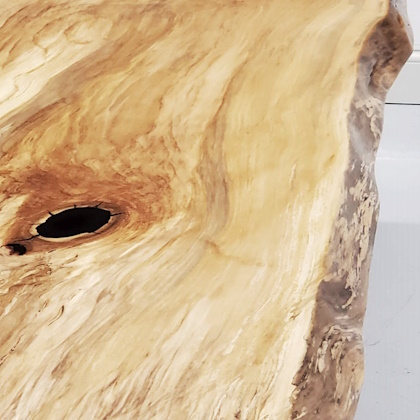
This is a crucial designer secret: pay attention to the underlying wood color. Wood finishes generally fall into three categories of undertones:
- Warm: Wood tones with red, orange, or yellow hues (like cherry, hickory, maple, or oak).
- Cool: Wood tones with grayish or bluish hints (like maple, elm or weathered woods).
- Neutral: Wood tones like walnut & white oak sit comfortably in the middle.
The rule of thumb: You can safely mix light and dark wood colors as long as their undertones match. A warm, dark cherry dresser will look stunning next to a warm, light maple bed.
Step 3: Embrace Contrast for Visual Interest
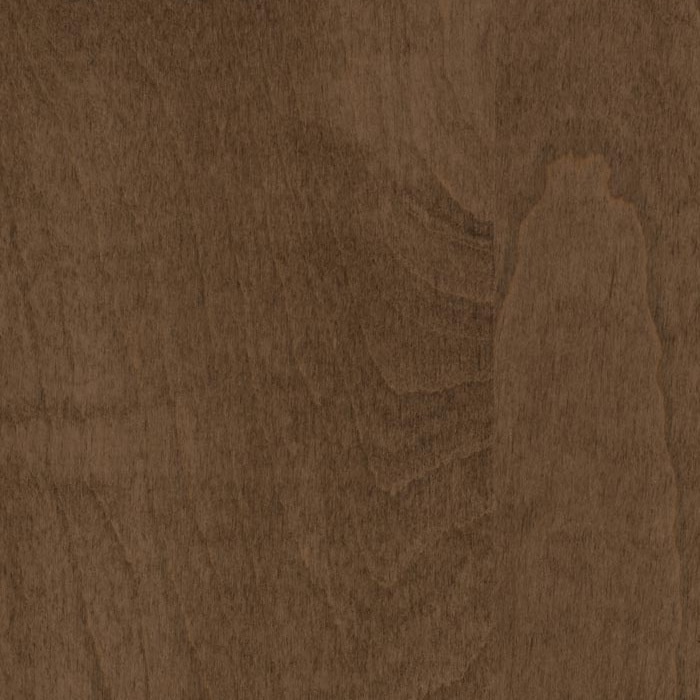
When mixing woods, high contrast is your best friend.
A common mistake is choosing woods that are “almost” the same but slightly off; this just looks like a matching mistake. Instead, purposefully pair a dark walnut bed with light white-oak nightstands.
If you already have a beautiful base from one of your favorite bedroom sets, you can easily introduce high-contrast accent pieces to elevate the room’s visual interest.

How to Mix Furniture Styles Without Clashing
Beyond the wood color, successfully mixing furniture shapes and styles means blending different eras and vibes harmoniously.
One of the best ways to ground a mixed-style room is by investing in high-quality, foundational pieces.
For example, anchoring your room with pieces featuring authentic Amish craftsmanship brings a timeless, heirloom quality that pairs surprisingly well with sleek, contemporary lines.

Rugs and Textiles
Wood-on-wood can sometimes clash, especially if you have wood furniture sitting directly on a wood floor of a different tone.
The solution? Use a buffer. A large area rug breaks up the visual weight and separates conflicting wood grains.
Beyond rugs, use textiles like throw pillows, cozy blankets, and window treatments to introduce a unifying color scheme.
If your woods contrast, a harmonious color story in your fabrics will pull all the various elements together.
Start Small with Accent Pieces
If you are nervous about diving headfirst into eclectic design, start small. You don’t have to overhaul your entire room.
Begin by swapping out a single side table or adding a wooden bench at the foot of your bed.
Experimenting with night stands is one of the best, low-risk ways to play with contrasting woods and styles without disrupting the whole room.

Maintaining the Beauty of Your Mixed Woods
Once you’ve curated your perfect mix of wood furniture, you’ll want to protect your investment.
Keep in mind that different wood types and finishes may require slightly different care to keep them looking fresh.
Solid wood responds to humidity and temperature, so understanding proper furniture care is essential to ensuring your distinct pieces age beautifully together.

Build Your Dream Bedroom Oasis
Your bedroom should be a personal sanctuary, not a showroom replica. Mixing wood tones and furniture styles allows you to design a space that feels deeply personal, warm, and expertly curated.
Don’t be afraid to break the rules, play with contrast, and let your unique personality shine through.
Ready to start building your eclectic, beautifully curated space? Explore our heirloom-quality bedroom collections today to find the perfect anchor and accent pieces that will last a lifetime.